Through Her Eyes:
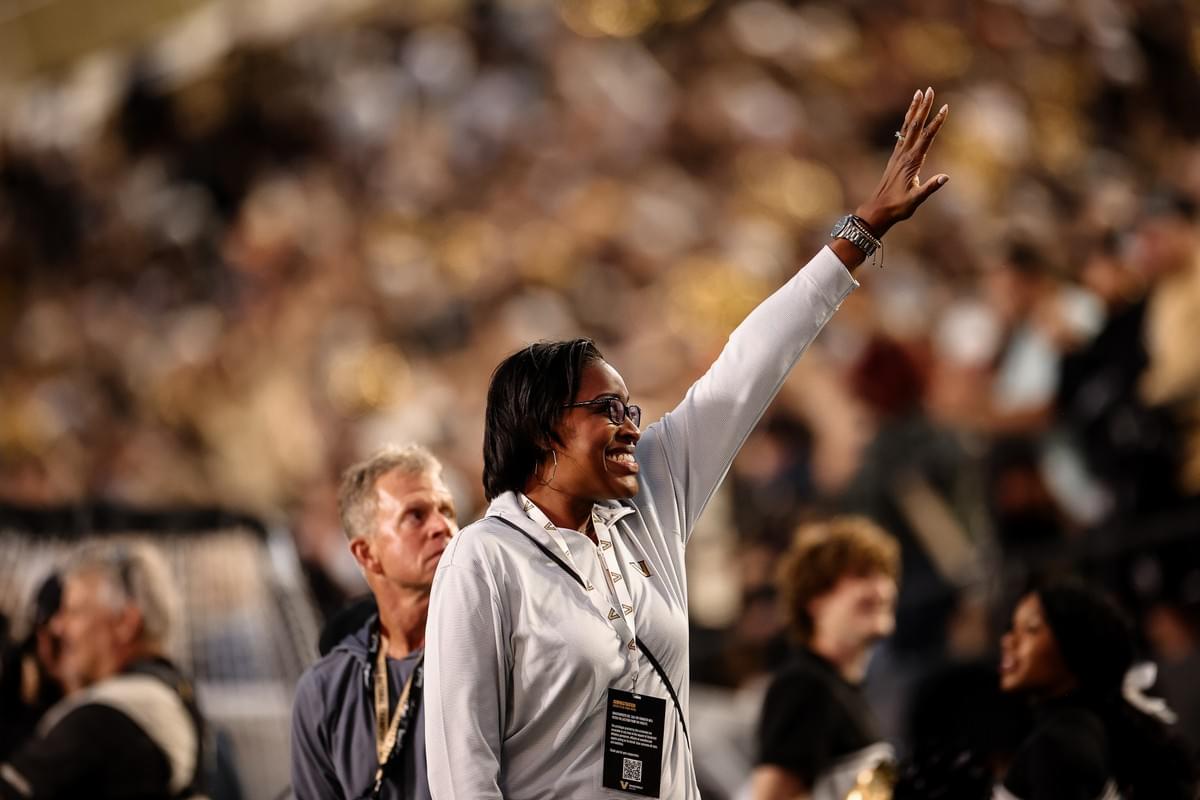
Candice Storey Lee, Vanderbilt University
Through Her Eyes:
Candice Storey Lee, Vanderbilt University
"People celebrate the milestone. They don't always see what it's taken to carry it,
or the pressure that comes with being first."
some scars you can see. most, you cannot.
There are the visible ones, the ones from knee surgeries, staples, and years of physical pain.
Then there are the other scars, the ones that come from being the first and carrying expectations people celebrate from the outside but do not always understand from within.
People often talk about breaking glass ceilings.
They less often talk about what happens when you are the one standing closest to the glass.
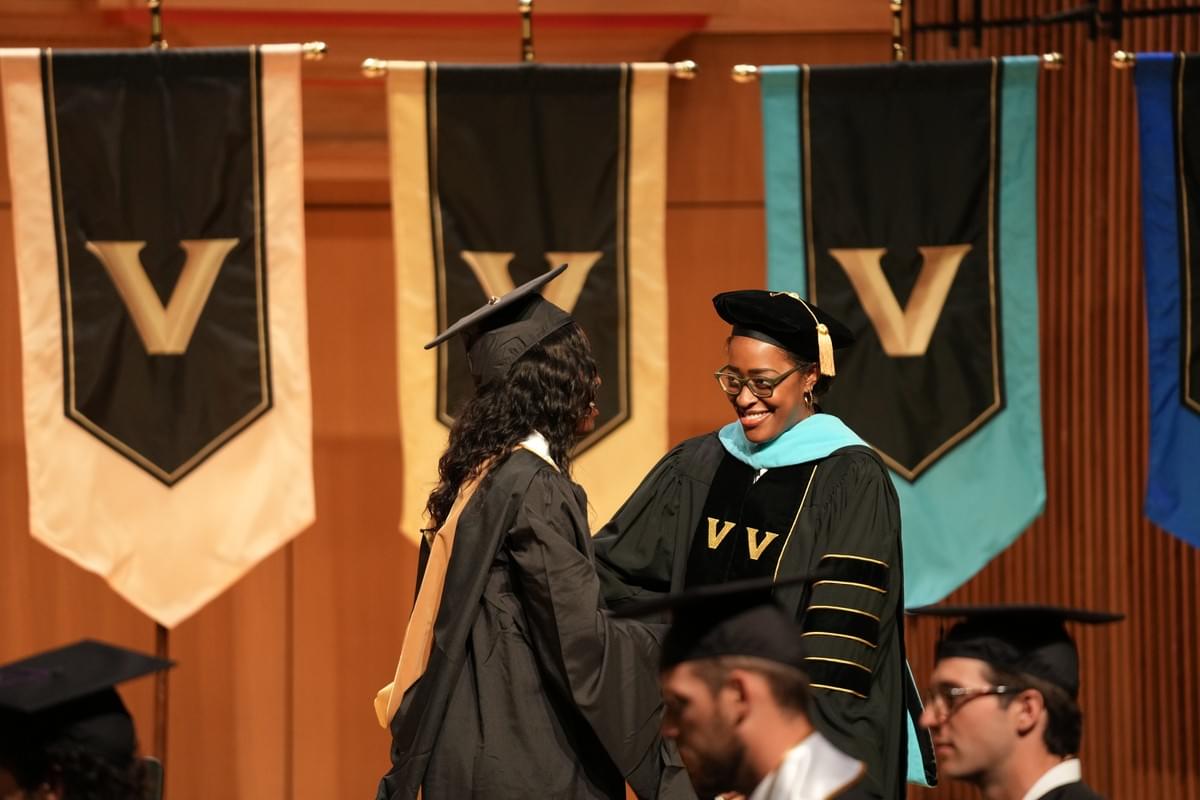
I heard that idea years ago in a clip my husband sent me after I became Vanderbilt’s Athletic Director.
It was a story about Bill Duke, who in the 1980s was among the first Black people to hold a major leadership role on a television series. When asked what it felt like to break through that ceiling, he said that when you are the one who breaks the glass, you are the first one to get cut.
That stayed with me.
Being first is humbling. It is an honor I will never take lightly. But it also comes with pressure.
As a Black woman, I feel that what I do can either open the door a little wider or close it. That is both my perception and my reality.
People celebrate the milestone, but they do not always see the bias, lowered expectations or narratives that come with it. They see the achievement. They do not always see what it has asked of me or the resilience it has taken to carry both the honor and the weight of being first.
That is part of my story.
but it is not all of it.
my journey
i grew up as a military brat.
My father was in the military, so my family moved often. I experienced different communities and learned early how to work with all kinds of people. At the time, it was simply my life. As an adult, I see what a blessing it was.
It taught me how to adapt, appreciate people’s authenticity and recognize that every environment has its own culture and way of making meaning.
then i came to vanderbilt.
Looking back, Vanderbilt was the first time I decided to move. It was not because my dad had orders or my family had to relocate. I moved because I wanted to come here.
in many ways, Vanderbilt then became the first place where I unconsciously put down roots. I came here with big aspirations. I was going to be a basketball star. I had a clear vision for my future, but persistent injuries disrupted that vision and shaped my experience in ways I could not have predicted.
I do not like to say I reinvented myself because I have always tried to stay true to who I am. But I have experienced moments of transformation. Some I chose. Others chose me.
Learning to adapt to the circumstances in front of me without losing myself has shaped the way I live and lead.
Vanderbilt challenged me more than I ever could have imagined, and it supported me more than I ever could have imagined. As a student-athlete, I learned the power of community. As a professional, I began to understand the other side of supporting student-athletes. With each new role, Vanderbilt continued pushing me beyond my comfort zone.
People sometimes assume that because I have been here for so long, it must have been easy. It has not been easy.
I chose Vanderbilt. I’m still at Vanderbilt because I choose to stay here. There were moments when I could have made other choices, but Vanderbilt has given me a rare balance of comfort and challenge. It asks more of me, and I believe deeply in its potential. Belief matters.
There were moments when I wondered if I had stayed too long.
After David Williams retired in 2019, I was not really considered for the athletic director role. Vanderbilt did not owe me the job, but I was disappointed that I did not have the legitimate opportunity to compete for it.
David was a long-term mentor and an important part of my professional journey. I worked for him for nearly two decades, and his sudden passing was a tragic reminder not to take anything for granted.
in a way that isn't always easy to see when you're together day after day, his absence also showed me how much he had exposed me to and how well he had helped prepare me.
So, again, i chose to stay and help make vanderbilt the place i believed it could be.
What I've faced
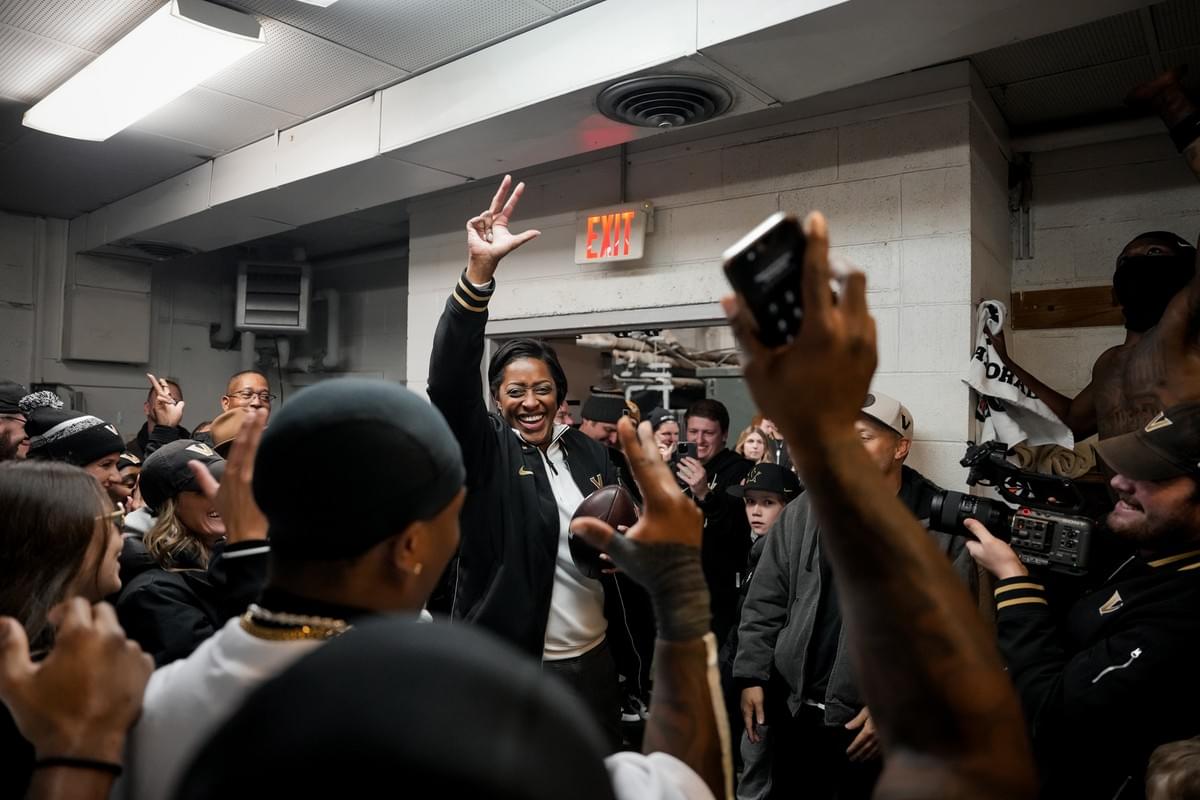
I eventually became interim athletic director, interviewed with our new chancellor and earned the permanent role.
I knew I had ideas. I knew what I believed. I knew I cared deeply about student-athletes and wanted to lead in a way that was authentic to me.
David once told me that if I cared deeply for student-athletes and wanted to be the kind of athletic director they knew was invested in their experience, then I could lead that way. My way. Leadership did not have to look one way. It could be rooted in who I was.
That mattered because, especially in a male-dominated field, people will try to make sense of you.
Sometimes they make assumptions because they have never seen someone like you in the role before. Sometimes those assumptions are small and almost harmless. Sometimes they are not.
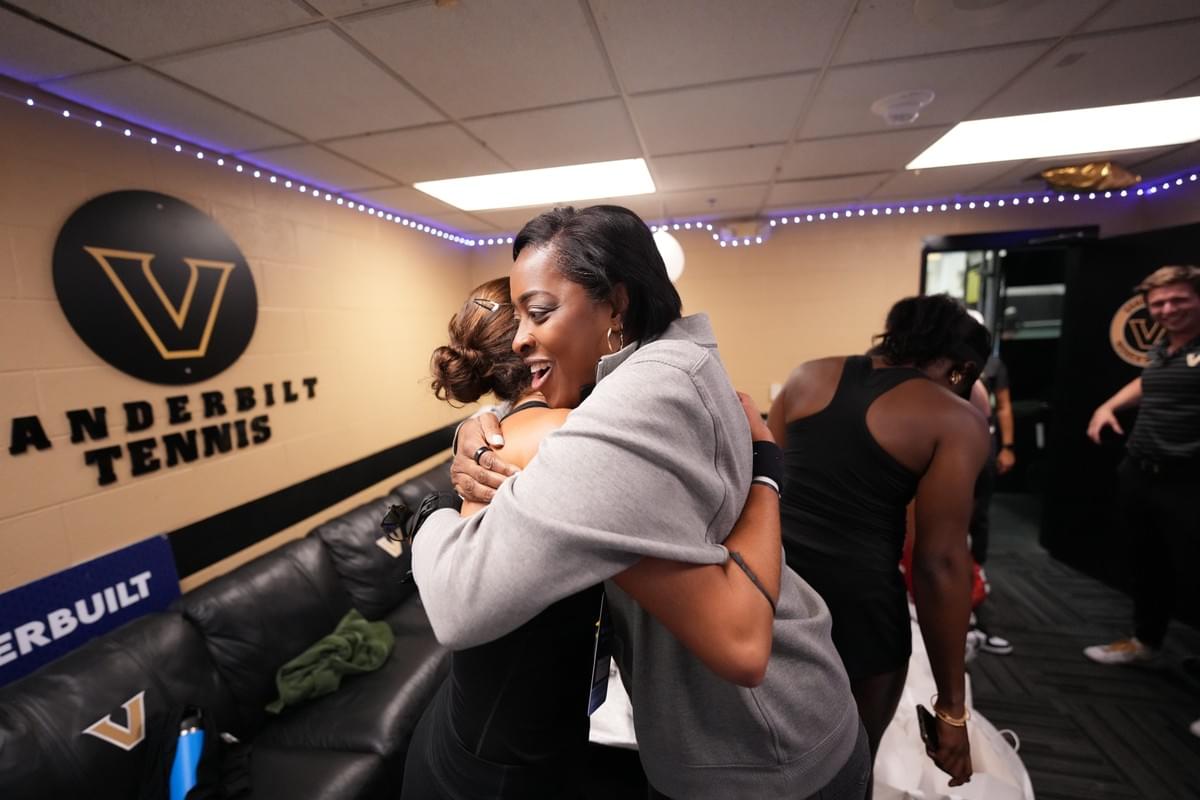
I remember sitting outside watching one of our tennis teams compete. I was by myself, enjoying a quiet moment and cheering for Vanderbilt. There was one Black woman on the team, and I happened to be sitting near her court.
An older woman came and sat near me and asked if the player was my sister. I told her no.
Then she asked why I was there cheering. I told her I was cheering for all the Vanderbilt student-athletes because I was the athletic director.
Five years ago, that interaction might have deeply irritated me. Today, I understand that she was trying to make our encounter make sense. She probably had not seen many women leading athletic departments or many Black women in that position. She was trying to put me somewhere familiar.
some moments are overtly disrespectful. Some sting. Some leave you feeling responsible for educating people on the spot. They are the glass shards that come with breaking ceilings. Each time, I have to decide what deserves my attention and whether I give my power away by responding.
the mission is too important. My job is to support student-athletes, and I cannot allow every moment of ignorance to pull my attention away from that work.
That does not mean I do not feel those moments. It means I have learned how to carry them.
Most of the time, I feel deeply supported. The ignorance I have encountered represents a small percentage of the love, kindness, compassion, and support I have experienced.
But that small percentage can still sting. Ultimately, I have had to make a conscious decision not to let the 1% overcome the 99%.
what i've learned
Before I became an athletic director, I thought I might become a therapist.
I earned a master’s degree in counseling and entered the program thinking that might be my path. But I quickly realized I would probably burn out. I cared deeply and wanted to help, but I also wanted to do the work for people.
You cannot do the work for people.
You can create conditions that encourage people to become their best. I’m proud we’re doing that with our Vandy United campaign to reimagine our facilities and the student-athlete and fan experience, and Anchored for Her, our commitment to lead the way in women’s sports. These are bold, historic initiatives that people didn’t think Vanderbilt would undertake. But it doesn’t change what I long ago learned: people have to do the work themselves.
That lesson shapes my leadership. It taught me boundaries, empathetic listening, and that helping people does not mean carrying everything for them. I use those skills every day.
It also shaped how I think about mentorship.
Mentorship is an active engagement. It is not simply a mentor pouring into a mentee. The mentee has to seek guidance, ask questions, listen, and demonstrate a willingness to learn.
David Williams was an incredible mentor to me, but I had to engage. I had to ask questions and be willing to be a sponge.
People often have more access to mentors than they realize. Your David Williams may already be in your atmosphere. They could be someone at work, church or in your family, an acquaintance you met through a friend or someone you admire from a distance.
Sometimes you have to initiate. Sometimes you have to look at people you already know through a different lens.
Even my parents, who are both retired after incredible careers, are people I still learn from. Speaking to them recently on the phone, instead of only talking about what we watched on television and the comfortable small talk of families, I asked them questions. I realized that whatever I am facing, they have probably faced something similar.
Mentorship can last for a season or years. But you have to seek it with intention.
the scars you can see
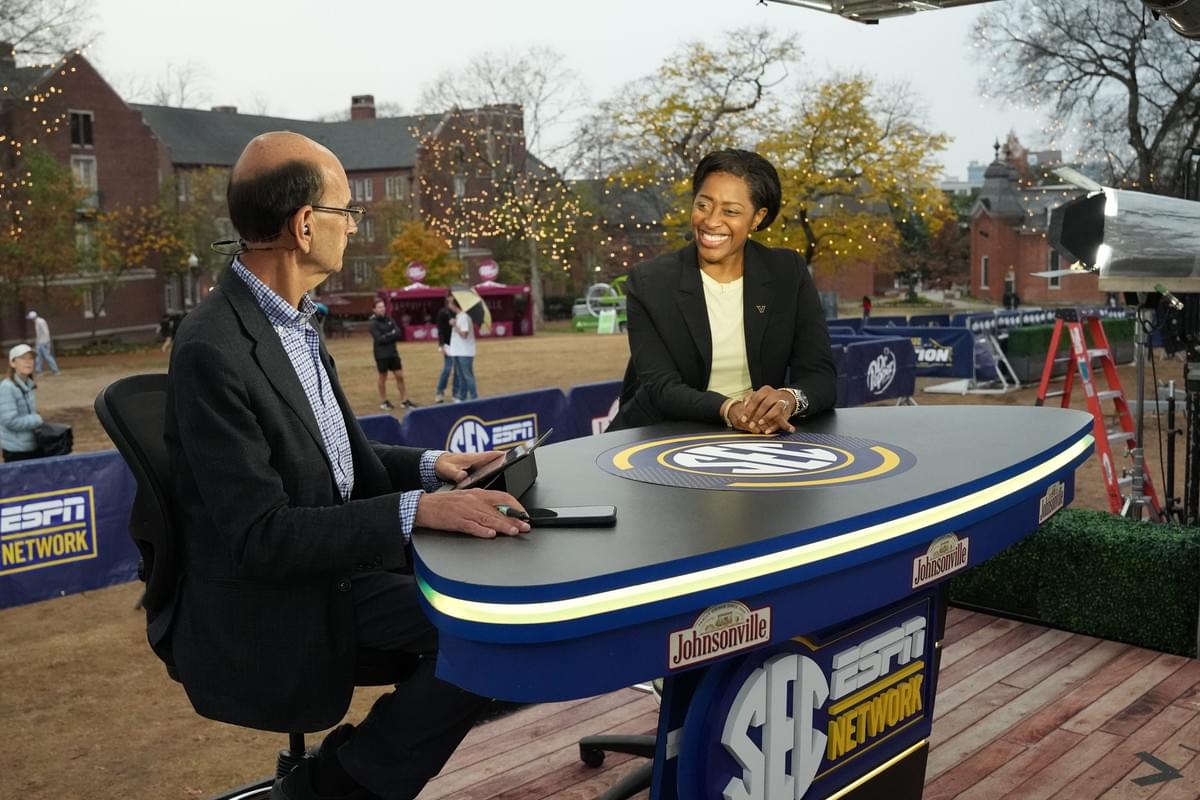
For much of the six years I have been athletic director, I have been in physical pain.
I do not talk about that often.
I have had 10 knee surgeries, including having a knee replacement redone. There were days when I probably should have used crutches or a cane, but I did not want people to see me as limited or question whether I could do the job.
there is a pressure that comes with wanting to show up strong, even when your body is telling a different story.
Recently, I had a follow-up appointment almost a year after my latest surgery. My doctor told me my knee looked the best it had in about six years and that he thought the worst was behind me.
I realized I did not really know a day when I had not come to work in some kind of pain.
That is hard to process once you begin to feel better.
I wore shorts to the doctor that day, which is not something I usually like to do. I have had more than 40 staples down the front of my knee four different times, so the scar is significant.
I told my doctor, "it's not pretty."
He said, "yeah, but it's yours."
that stayed with me too.
the scar may not be pretty, but it is mine.
For a long time, I felt almost apologetic. In how I walked or what people might notice, my body told a story before I could.
Now I understand that it is simply part of my story.
Physical therapy gave me another perspective I did not expect. At first, it was deeply uncomfortable to be in that space with student-athletes and barely able to lift my leg. I thought I was supposed to be encouraging and supporting them, not the other way around.
They would cheer when I took a few steps, ask how I was feeling, and encourage me to see it through the same way they encourage each other. That was a blessing.
It reminded me that leadership is not only about being strong for people. Sometimes it is about allowing people to see your humanity too.
Being on crutches changed the way I saw accessibility. Recovery changed the way I related to student-athletes. Confronting my own limitations reminded me that moments of vulnerability can forge lasting strength.
I would not choose to go through it again. But I can see how it shaped me, and I am proud of myself. This is a hard job. It is even harder when you are in pain. There were days when I showed up sore, tired, and hurting because I was determined not to miss what mattered.
Now that I am feeling better, there are moments when I wonder how I did it.
But I did. Scars reveal who we’ve been and who we are becoming. Seen or unseen, faded or jagged, they tell our stories.
beyond her story
Candice Storey Lee’s story reveals a leadership truth that extends beyond sports: strength is not about remaining untouched by the work. It is about knowing how to carry the full weight of your story without allowing that weight to consume you.
leadership research describes authentic leadership as leading from self-awareness, values, transparency, and a clear internal compass rather than performance alone (Avolio & Gardner, 2005). For Candice, that authenticity is not abstract. It appears in the way she owns both the light and darkness of her journey: the visible scars from 10 knee surgeries, the invisible cuts of being first, and the discipline required to keep showing up without giving her power away.
Her story also challenges the idea that effective leadership means carrying everything for everyone. Greenleaf reframed servant leadership as a responsibility to help others grow, while Goleman emphasized the importance of self-awareness, empathy, and self-regulation in how leaders relate to others (Greenleaf, 1977; Goleman, 1995). Candice embodies that balance. Her counseling background taught her that she could create the conditions for people to become their best, but she could not do the work for them.
That distinction matters. For women in high-pressure and highly visible roles, the expectation to be strong can easily become an expectation to be endlessly available, composed, and resilient.
Candice offers a different model. She leads with empathy and boundaries. She gives grace while protecting her energy. She embraces the responsibility of being first without allowing other people’s narratives to define her.
the goal is not to be unbreakable.
the goal is to stay whole.
# # #
Sources
Avolio, B. J., & Gardner, W. L. (2005). Authentic leadership development: Getting to the root of positive forms of leadership. The Leadership Quarterly, 16(3), 315–338. https://doi.org/10.1016/j.leaqua.2005.03.001.
Goleman, D. (1995). Emotional intelligence: Why it can matter more than IQ. Bantam Books.
Greenleaf, R. K. (1977). Servant leadership: A journey into the nature of legitimate power and greatness. Paulist Press.
About the Series
Through Her Eyes is a storytelling platform dedicated to giving a first-person voice to women in sports across Middle Tennessee. Each story is developed through conversation and shaped into a first-person narrative that reflects the lived experiences of athletes, coaches, and leaders. The series goes beyond traditional profiles to explore how women navigate identity, opportunity, and value within systems that do not always provide equal visibility, support, or recognition. Through Her Eyes is committed to reflecting on the broader landscape of women in sports. By centering perspective and lived experience, this platform creates a deeper understanding of what it means to move through the game as a woman today, through her eyes.
About the Author
Dr. Carolyn Adkerson is a researcher and founder of 227 Advantage, a strategic consulting firm focused on building structure, developing strategy, and creating scalable growth for entrepreneurs, athletes, and organizations. Her work supports clients in translating vision into clear positioning, partnerships, and opportunities. Her research and practice sit at the intersection of sports, identity, and access, with a focus on how women navigate and experience the systems that shape the evolving sports landscape.